Car-Sharing
Want to run errands at lunch? Have a business meeting? Spouse has the car for the day? Try car-sharing.
Need a car sometimes, but not the hassle of owning one? Car-sharing is your answer. These programs offer a fleet of vehicles conveniently located around town, perfect for short-term rentals by the hour or even minute. Plus, most fees are bundled in, including gas and insurance.
Think of car-sharing as a pay-as-you-go car service. Unlike owning a car with high fixed costs like insurance and maintenance, you pay for car-sharing only when you use it. This makes car-sharing a great option alongside public transportation, biking or walking, potentially eliminating the need for a personal car.
Families can benefit too. Car-sharing can postpone or eliminate the need to buy a second car, saving on expenses and freeing up parking space. Businesses can also ditch company cars or requiring employees to use their own vehicles by joining a car-sharing program.
In short, car-sharing offers a flexible and cost-effective way to access a car when and where you need it.
Car-Sharing Benefits
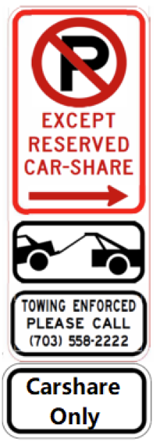 Some important benefits of car-sharing include:
Lower demand for parking. Surveys consistently report that each car-sharing vehicle replaces as many as seven or more private cars, as members sell or scrap their cars, or avoid buying new ones. When fewer cars need to be parked, it makes parking easier for cars that still do.
Fewer miles driven and emissions produced. While surveys suggest that car-share members are often infrequent car users to begin with (taking advantage of other transportation options available in urban areas), once people start car-sharing they report driving less. Car-share vehicles also tend to be newer and more fuel efficient than the household cars they replace, which means fewer emissions produced for each mile driven.
Lower transportation costs. For people who drive infrequently, the fixed costs of car ownership are a majority of the costs associated with driving. By switching from personal car ownership to car-sharing membership, infrequent drivers could save hundreds or even thousands of dollars a year.
Personal non-monetary benefits of car-sharing include:
- New vehicles (reliability and comfort)
- No maintenance or repair responsibilities
- Vehicles always clean and serviced by the provider
- Allows you to choose the right vehicle for the job, unlike owning one car that has to do it all
- Convenient locations where people live and work
- Guaranteed parking space (*not all business models)
- No filling up the gas tank (*not all business models)
Car-Sharing Service Providers
Reserved-Space Car-Sharing
Zipcar - Hundreds of Zipcars are parked in convenient locations throughout the region. Members reserve and book a nearby car on the go using an app, then use it to unlock the car. The rental period can be as little as ½ hour for one-way trips, where members return the car to a different reserved parking spot, or one hour for round-trip, where members return the car to the same reserved parking spot where they picked it up. Zipcar members can also use their membership in the many other U.S. cities and abroad.
Peer-to-Peer Car-Sharing
Peer-to-peer car-sharing programs provide a means for car owners to rent out otherwise underutilized personal vehicles. These programs typically screen would-be drivers and provide insurance for the car owners in the event that their car is involved in an accident while being used by a car-sharing member. Examples of existing peer-to-peer networks include:
Getaround and Turo - Car owners list their vehicle on the app and renters can browse, book and unlock vehicles all from their phones.
Free-Floating Car-Sharing
In this system, trips start and end in different non-designated locations throughout Arlington and DC. One company operates free-floating service in Arlington: Free2Move.
Vehicles are identified with a free-floating program sticker and are allowed to park for free in metered spaces, as well as Residential Permit Parking (RPP) zones without a permit.
Car-Sharing Resources
Arlington County, Virginia's Car-sharing page
Arlington's Car-Free Diet Car-sharing page